

Seasonal changes greatly impact windshield integrity through temperature fluctuations. As glass expands in summer heat and contracts during winter cold, existing chips can transform into major fractures. Freeze-thaw cycles accelerate crack propagation when water expands in small fissures, while high humidity affects adhesive performance. Environmental factors like debris and rapid temperature shifts create additional stress points. Regular inspections and timely repairs remain essential to prevent minor damage from becoming serious safety concerns.
Key Takeaways
- Temperature fluctuations cause glass to expand and contract, potentially turning minor chips into major fractures.
- Winter freeze-thaw cycles accelerate crack propagation as water in small cracks freezes and expands.
- Summer heat can create temperatures exceeding 150°F inside vehicles, stressing existing damage points.
- Humidity affects adhesive performance, with high humidity slowing curing and dry conditions causing premature hardening.
- Seasonal debris like autumn leaves and winter ice buildup create additional stress points on windshield surfaces.
Temperature Fluctuations and Glass Expansion

While many vehicle owners don’t consider it, glass expands and contracts with temperature changes, which directly impacts windshield integrity. As your local glass experts in Lehi, we’ve seen how extreme Utah seasons affect windshields throughout the year.
During summer, your windshield absorbs heat, causing expansion that puts pressure on existing chips or cracks. Conversely, winter’s frigid temperatures contract the glass, creating different stress patterns. These ongoing temperature effects can transform a minor chip into a major fracture overnight.
We understand the importance of addressing even small damage promptly—it’s not just about aesthetics but safety and glass durability. When you bring your vehicle to us at 2nd Chance Auto Glass, we’ll evaluate how seasonal changes have affected your windshield and recommend the appropriate repair solution. Salt damage corrosion is particularly concerning in winter months when roads are frequently treated with de-icing materials.
Winter Freeze-Thaw Cycles: Hidden Danger for Existing Cracks
When winter temperatures repeatedly cycle between freezing and thawing, existing windshield damage faces accelerated deterioration that many drivers underestimate. Water that seeps into small cracks freezes and expands, creating powerful internal pressure. This freeze damage mechanism forces the glass apart, driving crack propagation at an alarming rate.
We’ve seen countless windshields at our Lehi shop that seemed stable until winter’s freeze-thaw cycles transformed minor chips into major safety concerns. What was once a small star break can quickly spread across your entire windshield, compromising structural integrity.
Don’t wait until a minor issue becomes a major replacement. At 2nd Chance Auto Glass, we’re committed to helping our community stay safe with timely repairs that prevent further damage. We’re in this together—protecting your vehicle against Utah’s challenging winter conditions.
Temperature variations can cause both contraction and expansion of your windshield glass, making existing damage even more vulnerable to spreading.
Summer Heat Stress on Windshield Integrity

Summer temperatures create a different but equally damaging set of stresses on automotive glass. When your vehicle sits in direct sunlight, interior temperatures can exceed 150°F, causing the glass to expand. This expansion puts pressure on existing chips or cracks, often causing them to spread rapidly across your windshield.
We’ve observed that proper windshield protection becomes essential during these months. The rapid temperature changes when moving from hot exteriors to air-conditioned interiors create thermal shock that tests your glass’s heat resistance. Small, previously unnoticeable damage points become vulnerable failure zones.
At our Lehi shop, we recommend addressing even minor damage promptly during summer months. A small repair now prevents the need for complete replacement later when that tiny chip suddenly extends across your entire windshield.
Installing UV protection film can significantly reduce heat-related stress on your windshield while maintaining its structural integrity.
How Humidity Affects Adhesives and Seals
Changing humidity levels throughout the seasons directly impact the integrity of automotive glass adhesives and seals. In our experience at 2nd Chance Auto Glass, we’ve observed that high humidity environments can slow curing times and potentially compromise adhesive performance during installation. Conversely, excessively dry conditions may cause premature hardening before proper bonding occurs.
We’re particularly attentive to moisture impact on urethane sealants, which can absorb ambient humidity and lose elasticity over time. This affects seal durability, potentially creating microscopic gaps where water intrusion begins. That’s why we carefully control our shop environment and use climate-appropriate techniques for each season.
As your neighbors in Lehi, we recognize Utah’s unique seasonal humidity shifts and have adapted our processes to guarantee your windshield installation maintains integrity year-round, regardless of moisture fluctuations. Regular inspections of seals and adhesives help prevent costly replacements while maintaining optimal vehicle safety.
Seasonal Debris and Impact Damage Prevention

As we enter fall, drivers should remain vigilant about falling leaves and debris that can accumulate on windshields and potentially cause scratches when wipers are activated. Winter brings its own challenges with snow and ice buildup that can create stress points on glass surfaces, especially during improper removal with metal scrapers. We’ve found that preventative measures like regular cleaning, maintaining wiper blade quality, and using proper snow removal techniques greatly reduce seasonal impact damage to your vehicle’s glass. Applying a protective sealant coating before harsh weather conditions arrive creates an essential barrier that helps prevent environmental damage while making seasonal debris easier to remove.
Fall Foliage Risks
Fall’s arrival brings unexpected windshield dangers in the form of heightened seasonal debris. As leaves accumulate on roads and highways, they create a unique hazard when lifted by passing vehicles or wind gusts. These fallen leaves, especially when wet, can adhere to windshields and obstruct vital visibility areas. We’ve observed that fall foliage debris often carries road grit that, when caught in wiper blades, can create micro-scratches across glass surfaces.
At 2nd Chance Auto Glass, we recommend increasing your following distance during autumn drives to reduce leaf impact. Additionally, replace worn wiper blades before the season begins, and keep your windshield washer fluid topped off. Remember that maintaining windshield visibility isn’t just about convenience—it’s essential for your safety as we navigate through this colorful but challenging season together.
Winter Snow Management
Winter’s arrival presents substantial windshield integrity challenges beyond what we encounter during fall. Improper snow removal techniques often lead to microscopic scratches that weaken glass structure over time. We recommend using soft-bristled brushes specifically designed for automotive use rather than household brooms or scrapers with damaged edges.
Ice buildup requires particular attention, as many vehicle owners make the critical mistake of using hot water to clear frozen windshields. This thermal shock creates stress fractures that may not appear immediately but compromise structural integrity. Instead, we suggest starting your vehicle with defrosters running while using a proper ice scraper in gentle, horizontal motions.
At 2nd Chance Auto Glass, we’ve seen countless preventable winter damage cases. Proper snow management techniques aren’t just about visibility—they’re essential investments in your vehicle’s longevity.
Spring and Fall: Transitional Weather Challenges
The changing weather patterns of spring and fall create unique challenges for windshield integrity that many vehicle owners overlook. During these shifting seasons, temperature fluctuations cause your windshield to expand and contract repeatedly, weakening the glass structure over time.
Spring rains present additional hazards as water can seep into existing microcracks, while temperature variations between cool mornings and warm afternoons accelerate stress fractures. Similarly, fall winds carry debris and fallen branches that may impact your windshield unexpectedly.
We recommend inspecting your auto glass thoroughly during these seasonal shifts. Small chips that seemed insignificant during stable weather often spread rapidly when exposed to changing conditions. At 2nd Chance Auto Glass, we’ve seen countless minor damages transform into major replacements simply because they weren’t addressed during these critical seasonal changes.
Maintaining Your Windshield Through Changing Seasons
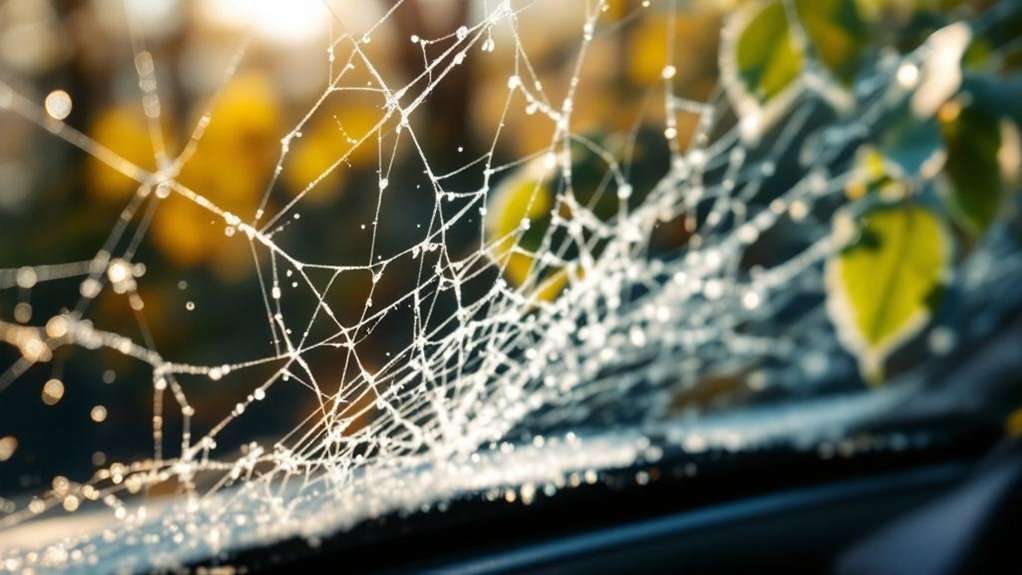
We recommend performing regular inspections of your windshield as temperatures fluctuate between seasonal extremes to identify potential stress points or developing cracks. During winter months, it’s essential to avoid pouring hot water on icy windshields, as the sudden temperature change can cause thermal shock and glass failure. Instead, we suggest keeping an ice scraper in your vehicle and allowing your defroster adequate time to work, maintaining both safety and windshield integrity throughout changing weather conditions.
Seasonal Temperature Extremes
As temperatures fluctuate drastically throughout the year in Utah, your vehicle’s windshield undergoes significant stress that can compromise its structural integrity. These extreme variations—from below-freezing winters to scorching summers—create expansion and contraction cycles that test glass durability.
We’ve observed that rapid temperature changes are particularly damaging. When your car heats quickly on cold mornings or cools suddenly during summer storms, microscopic weaknesses in the glass can develop into visible damage. Temperature stress often manifests at existing imperfections like tiny chips or edge damage.
At our Lehi shop, we recognize how Utah’s climate uniquely challenges windshield resilience. That’s why our repairs account for these seasonal stressors, ensuring your windshield remains strong through both winter frost and summer heat.
Winter Ice Preparedness
Winter brings specific challenges that require proactive windshield maintenance strategies. We recommend investing in quality windshield covers to prevent overnight ice accumulation, saving you valuable morning time and reducing stress on the glass from temperature fluctuations. When ice does form, proper ice removal techniques are essential. Never use hot water, which can cause thermal shock and crack your windshield. Instead, we suggest starting your vehicle with the defroster running while you use a plastic scraper, working from the edges inward.
At 2nd Chance Auto Glass, we’ve seen countless preventable winter damage cases. Remember that small chips weakened by summer heat become especially vulnerable during winter freeze-thaw cycles. Addressing minor damage promptly helps maintain your windshield’s structural integrity through Lehi’s challenging seasonal changes.
When to Repair vs. Replace Based on Seasonal Damage
Seasonal temperature fluctuations can greatly impact the integrity of your windshield, making it essential to understand when repair is sufficient versus when replacement becomes necessary. At 2nd Chance Auto Glass, we evaluate several repair indicators before making recommendations. Small chips (under a quarter) and cracks shorter than three inches typically qualify for repair, especially when caught early.
However, certain replacement criteria are non-negotiable. If winter freezing has expanded an existing crack, if summer heat has caused distortion around damage points, or if the damage extends to the windshield’s edges, replacement is the safer option. We’ve seen how seasonal damage can compromise structural integrity, potentially putting your family at risk. Trust our decade of experience to help you make the right decision for your vehicle’s safety.
Frequently Asked Questions
Does Insurance Cover Windshield Repairs Due to Seasonal Damage?
We accept most car insurances. Policy coverage for windshield repairs often includes seasonal claims, but specifics depend on your provider. We’ll help you navigate the insurance process seamlessly.
Can I Wash My Car During Extreme Temperatures?
We advise caution when washing your car in extreme temperatures. Cold weather washing can cause micro-fractures, while hot water damage may expand existing cracks. We recommend moderate temperature conditions for ideal glass preservation.
How Often Should Windshield Wipers Be Replaced Seasonally?
We recommend replacing windshield wipers every 6-12 months for ideal seasonal wiper performance. Regular inspection is essential in our wiper maintenance tips – look for cracks, tears, or streaking during operation.
Are Windshield Repairs Possible in Below-Freezing Weather?
We don’t recommend windshield repairs in freezing temperatures as cold impacts how our special resins cure. Windshield cracks can worsen, and repair techniques aren’t as effective below 32°F.
Will UV Protection Films Prevent Summer Heat Damage?
Yes, we recommend UV films as they’re highly effective in preventing summer heat damage. They block harmful rays, reduce interior temperatures, and provide a protective barrier against heat-induced structural stress.